Identifying the Moment: Why the Crowd Required Human Voice
The original blueprint was mapped around unbroken hypnotic club grooves and driving rhythm rollers. By ninety minutes into the session, the room energy had settled into a steady yet passive rhythm. Clubbers stayed moving, but subtle disengagement appeared near the perimeter bar areas where conversations gradually overtook attention. Pushing forward with another anticipated percussion track risked turning sustained immersion into listener fatigue.
Loading a raw acapella passage over a stripped-back rhythm immediately shifted the acoustic dynamic of the room. The sudden presence of a recognizable vocal hook broke the repetitive trance, pulling dancers back toward the focal center of the dancefloor. Instead of continuing down the safe pathway stored inside the planned crate, this detour forced a deliberate re-routing of the entire late-set tempo structure.
A pre-built crate is merely an initial hypothesis. When the dancefloor locks onto a vocal phrase, insisting on an instrumental agenda is ignoring the conversation right in front of you.
Technical Maneuvers: Key Pitching and Stem Cueing
Deviating from an existing sequence into a melodic vocal cut demands cautious handling in software and hardware to prevent jarring harmonic clashes or rhythm trainwrecks. The live transition utilized four critical steps:
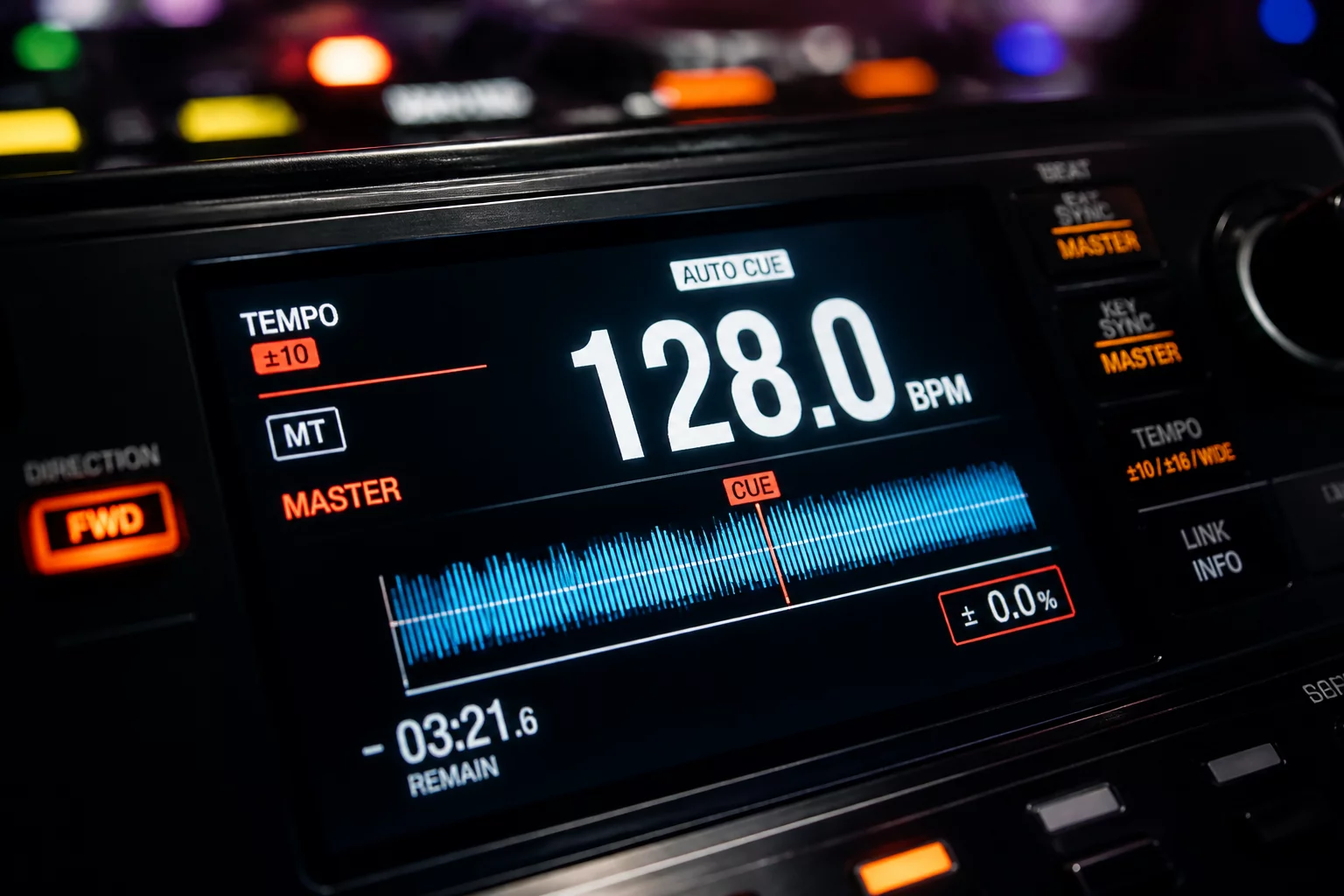
- Harmonic Locking: Key adjustment software locked the incoming track to the existing key signature, preventing audible artifacting when stepping the tempo down from 124 to 118 BPM.
- Mid-Band Equalizer Isolation: The midrange frequencies on the outgoing record were dipped sharply four bars early to carve clean acoustic space for the incoming vocal phrasing.
- Live Acapella Looping: An eight-bar hook was isolated on the third deck, creating an improvised bridge while the next bassline track was auditioned in cue headphones.
- Three-Track Tempo Escalation: Rather than jumping instantly back to high-energy tempo, three transition tracks incrementally regained BPM momentum over twelve minutes.
Strategic Rules for Returning to the Core Narrative
Reviewing exported session history shows that brief narrative detours create the most resonant memories of a night when executed with intentional boundaries. An unplanned vocal excursion must remain a calculated divergence rather than an accidental derailment.
Ear Reset Advantage
Extended instrumental tracks often numb auditory perception over time. A vocal interlude resets listening attention and makes subsequent heavy drops feel twice as forceful.
Defined Detour Limits
Limiting the vocal departure to three or four records preserves the set character while preventing the overall performance from drifting into an unfocused medley.