The Anatomy of the Unplanned Sequence Shift
Every selector enters the booth with a conscious narrative mapped out inside their digital folders. In this specific club date, the original arrangement favored an unhurried, eighty-minute warm-up sequence structured between 122 and 124 BPM. The folder contained twelve carefully auditioned deep rhythmic tools intended to gradually pull people from the perimeter onto the hardwood. Yet forty-five minutes into the set, the physical environment offered a stubborn resistance. Dancers clustered near the bar, patrons talked over extended synth intros, and the room was dissipating rather than condensing.
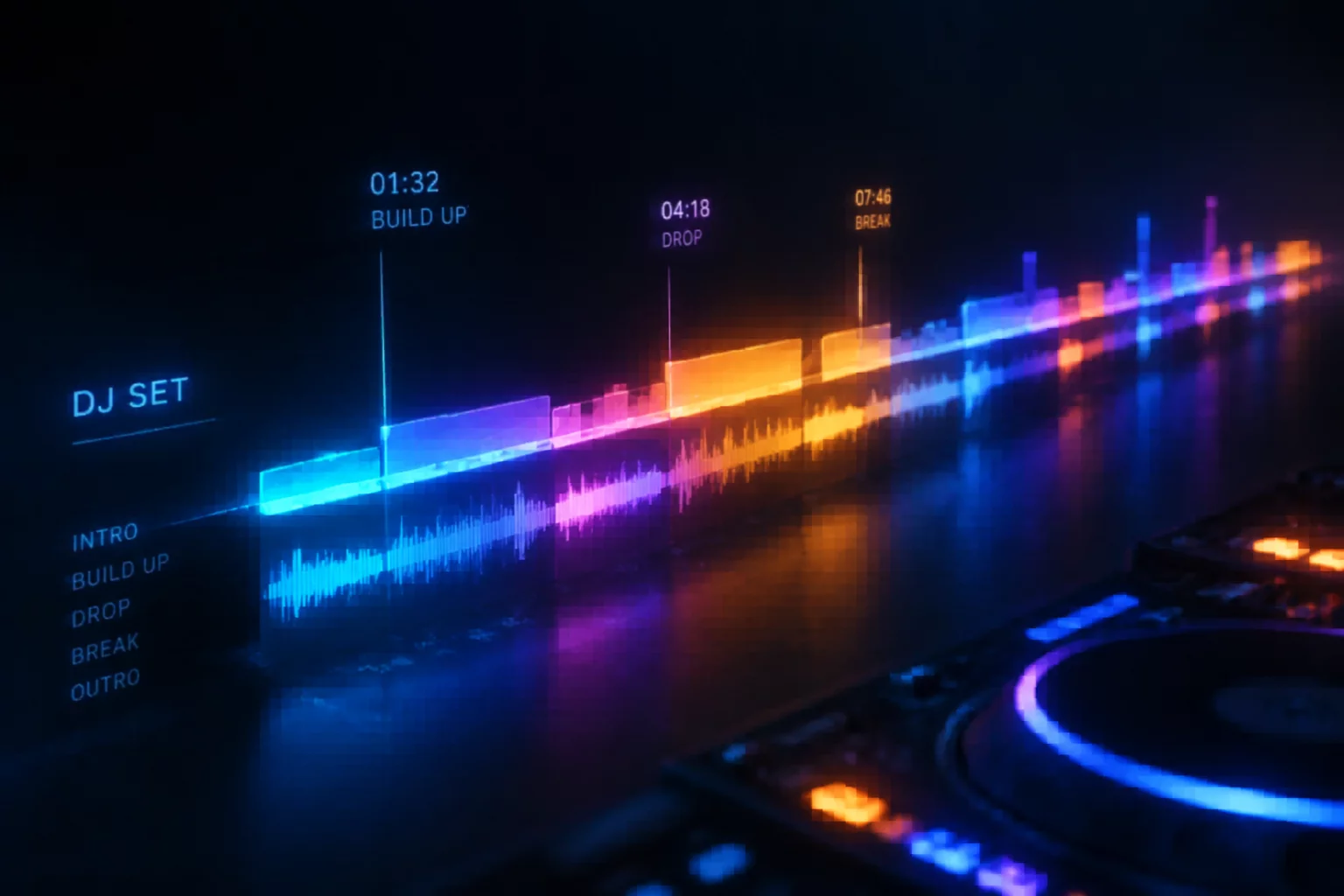
At timestamp 00:49, the session log confirms an abrupt editorial decision. Rather than persevering with tracks seven through eleven from the warm-up crate, the selector bypassed five consecutive tracks. Deck A cut straight into an unreleased rolling percussion cut stored in the peak-energy folder. The sudden injection of raw syncopated drums and aggressive midrange frequency forced a physical reaction: dancers left the booths, conversations halted, and the center of gravity in the room locked firmly toward the front monitors.
The session log never flatters our pre-conceived theories: when the room wanders, you can either cling to your tidy folder order into an empty room or scrap the sequence and seize the moment.
Technical Log Evidence and Key Divergence
Reconstructing the session from the exported CSV file reveals that this initial course correction set off a cascading chain of technical adjustments. Because the original playlist was abandoned, standard harmonic progression had to be replaced by aggressive mixing mechanics:
- Percussive Hard-Cuts Over Harmonic Blends: When leaping from 8A to 2B without intermediary key stepping, the selector executed a four-beat reverb freeze on Deck B and dropped the incoming kick on the downbeat.
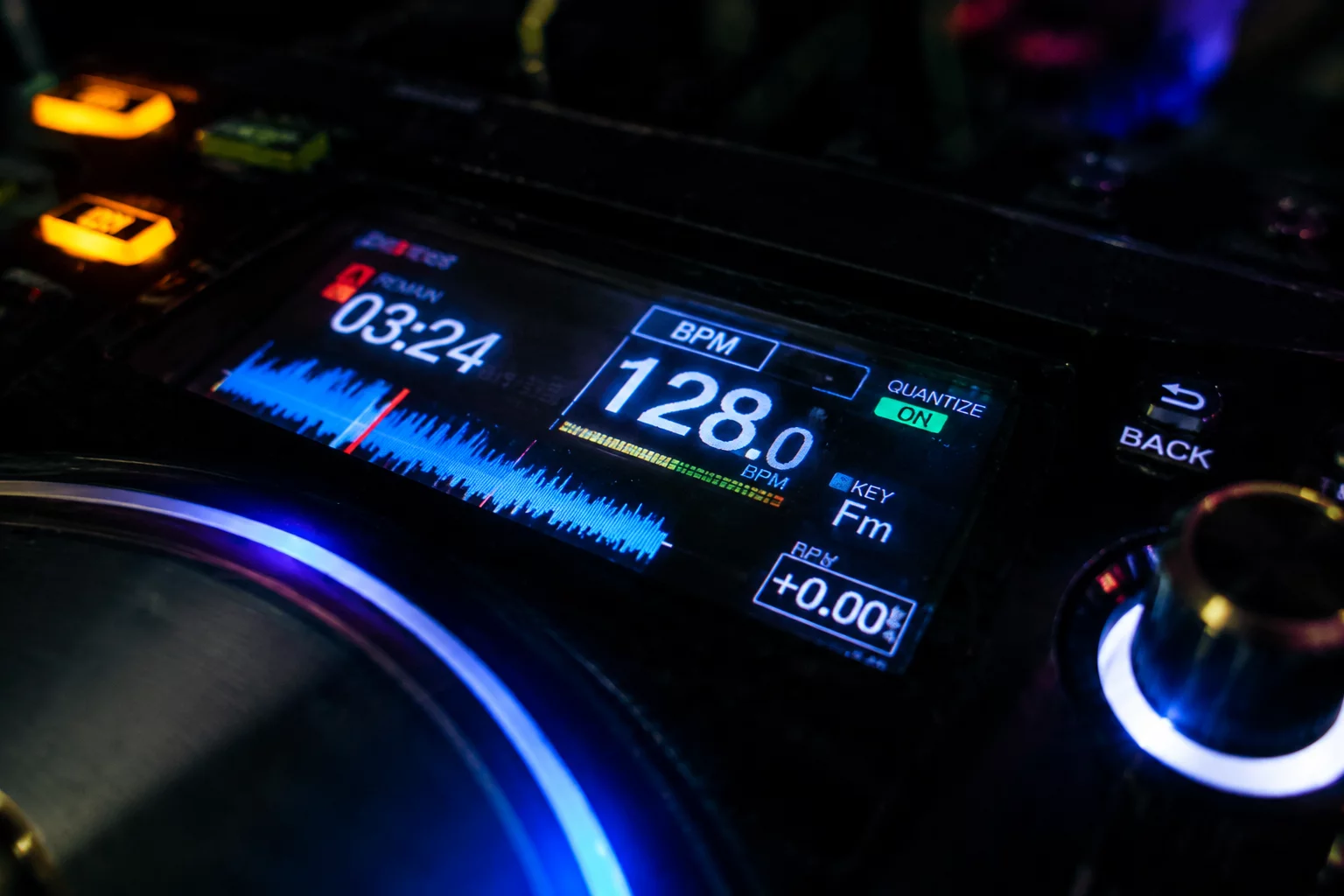
- Accelerated Tempo Ramps: The metadata records a deliberate pitch increase from 124 to 129 BPM across an eighty-second looped breakdown, pushing the room into a peak cadence seventy minutes ahead of schedule.
- Loop Capture as Harmonic Buffers: On three separate occasions, sixteen-beat percussion stems from outgoing selections were looped indefinitely under raw sub-heavy cuts to prevent thin, awkward transitions.
- Inverted Track Roles: High-energy melodic pieces originally earmarked for 02:00 AM were deployed as early dynamic lifters, forcing later sections of the night to rely on raw hypnotic grooves rather than vocal anthems.
Performance Insights for Real-Time Curation
Analyzing an exported performance file after sleep clears away the euphoria or panic of the gig, leaving objective data. This particular case study provides several tactical lessons for modern digital selectors navigating unpredictable rooms:
Prioritize Floor Gravity Over Blueprint
A rigid adherence to a pre-arranged playlist when the room signals restlessness is a failure of curation. Reading the room always supersedes crate perfection.
Differentiate Instinct from Recklessness
Examining timestamp logs uncovers whether track skips were deliberate responses to audience energy or rushed panic, providing clear indicators for future preparation.