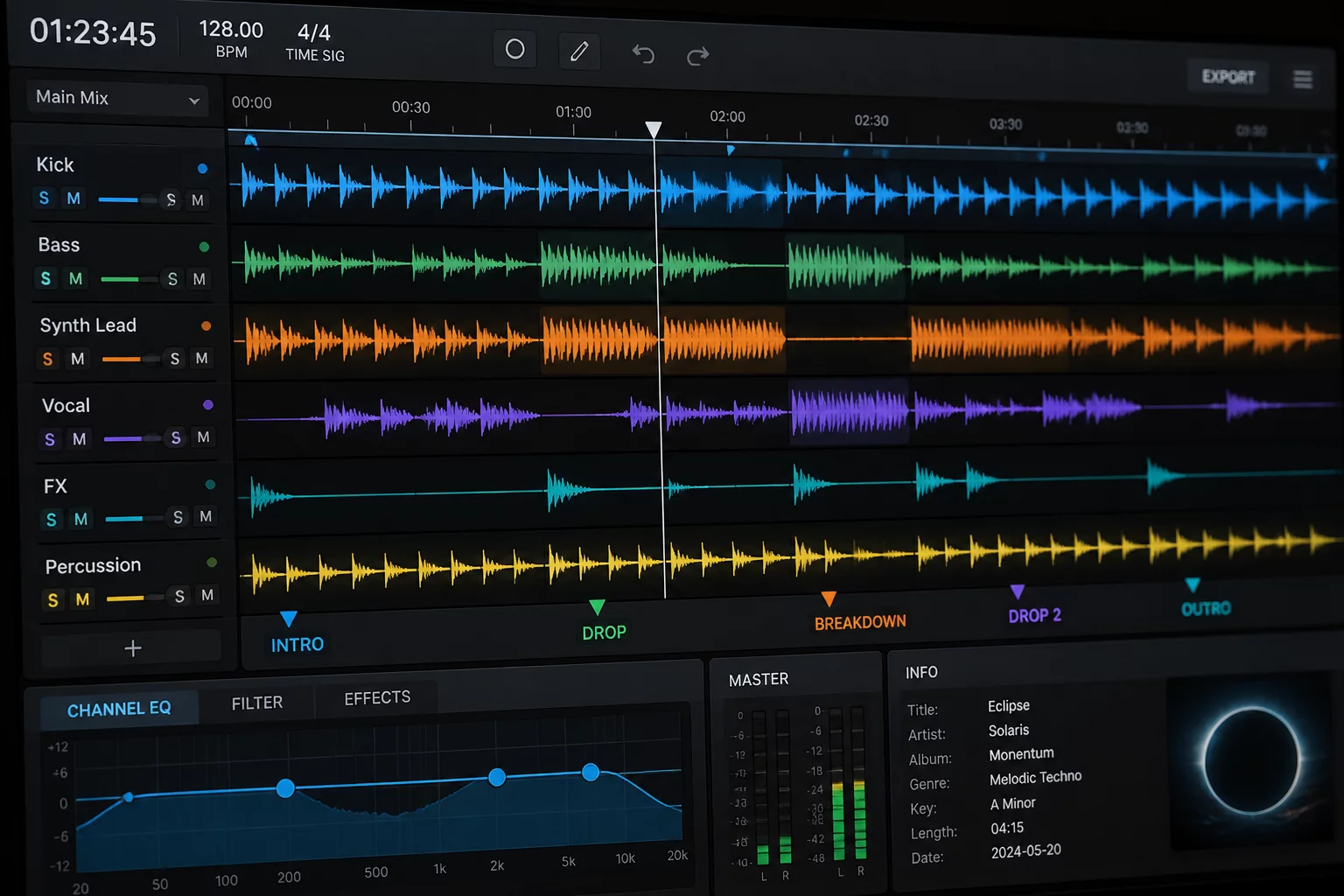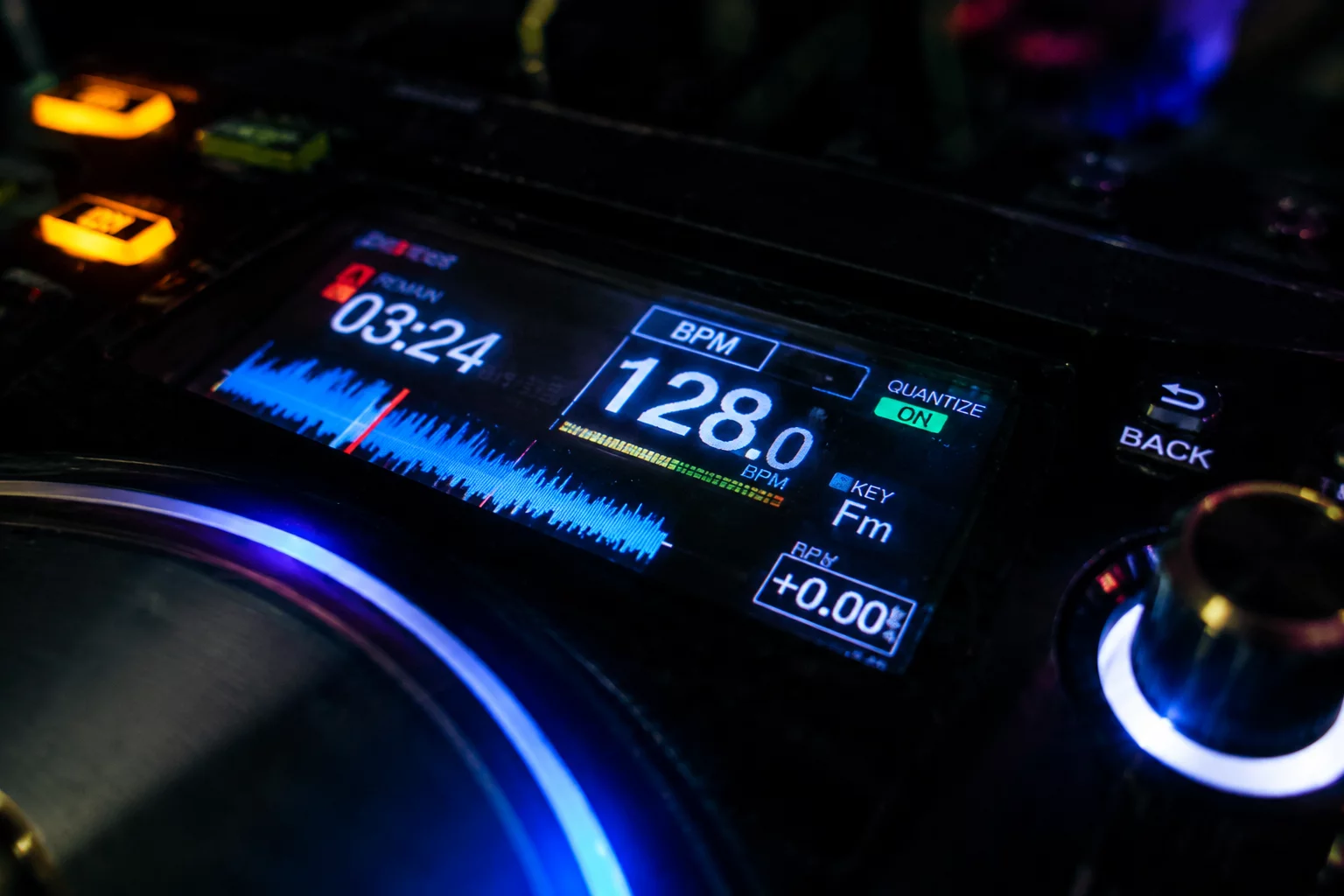
The Anatomy of the 14-BPM Plunge
Most selectors assume the only way to retain dancefloor dominance is through continuous tempo escalation. By hour three of a late-night set, the tempo had naturally drifted upward from 124 BPM to a breathless 132 BPM. While the room continued to move, the collective rhythm became mechanical rather than expressive. Dancers were jogging on the spot rather than leaning into sub-frequencies, indicating clear auditory fatigue.
Rather than nudging forward into blistering territory, the strategy shifted toward a stark, deliberate downshift. Reaching for a heavyweight, half-time influenced dub cut clocked at 118 BPM introduced a sudden gulf in tempo. Instead of masking this disparity with subtle pitch blending across multiple tracks, the switch was treated as an intentional punctuation mark, catching the entire room in suspended anticipation before the downbeat hit.
Speeding up is an instinctive response to nervousness; peeling fifteen BPM off the clock and demanding the audience settle into heavy bass requires utter conviction.
Technical Execution & Frequency Separation
Collapsing the tempo by fourteen full beats per minute cannot rely on conventional beatmatching, as extreme pitch warping generates glaring digital artifacts. The sequence log reveals four distinct technical decisions that made this radical transition seamless:
- Cut the outgoing kick drum on the fourth beat of bar sixteen, sending the vocal tail into a synchronized 3/4 triplet delay to suspend rhythmic reference.
- Engaged a steep high-pass filter on the incoming 118 BPM track, letting its sprawling sub-bass wait until the exact moment of physical drop.
- Allowed two full bars of pure atmospheric reverb to let the room adjust its internal timing before dropping the first low-end pulse.
- Introduced the incoming groove at native tempo without pitch lock distortion, preserving the warm transient impact of the analog drums.
Strategic Lessons for Modern Selectors
Reviewing recorded set histories confirms that dynamic contrast creates far more memorable peaks than unbroken speed. Selectors can apply two primary mechanics whenever their sets face momentum saturation:
Rebound Momentum
Pulling back the velocity gives subsequent tracks renewed space to breathe, allowing a second organic build later in the evening without exhausting sound system headroom.
Physical Sub-Focus
Lower tempos allow sub-bass waves to extend fully through club acoustic systems, transferring energy from rapid visual movement into profound physical chest impact.