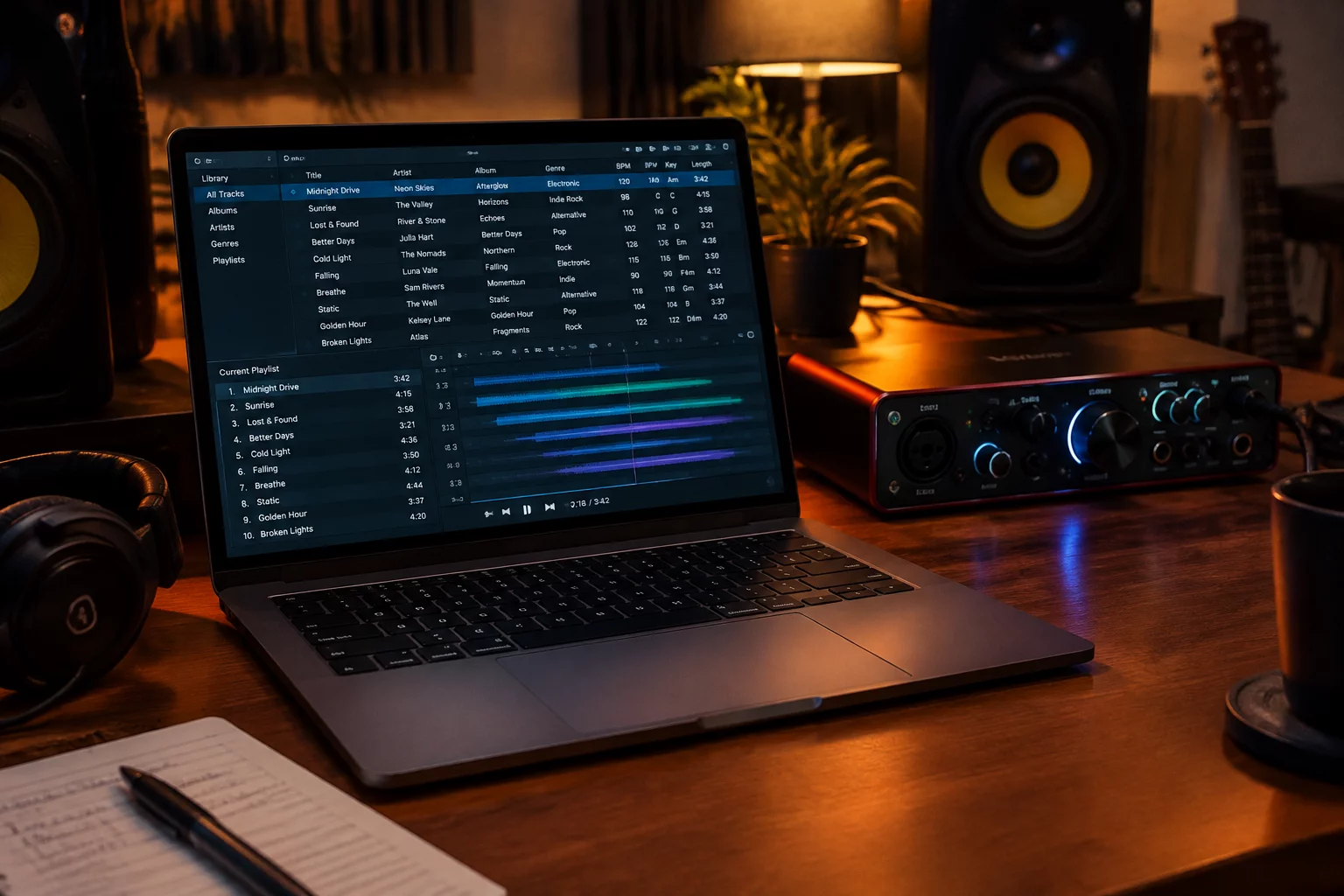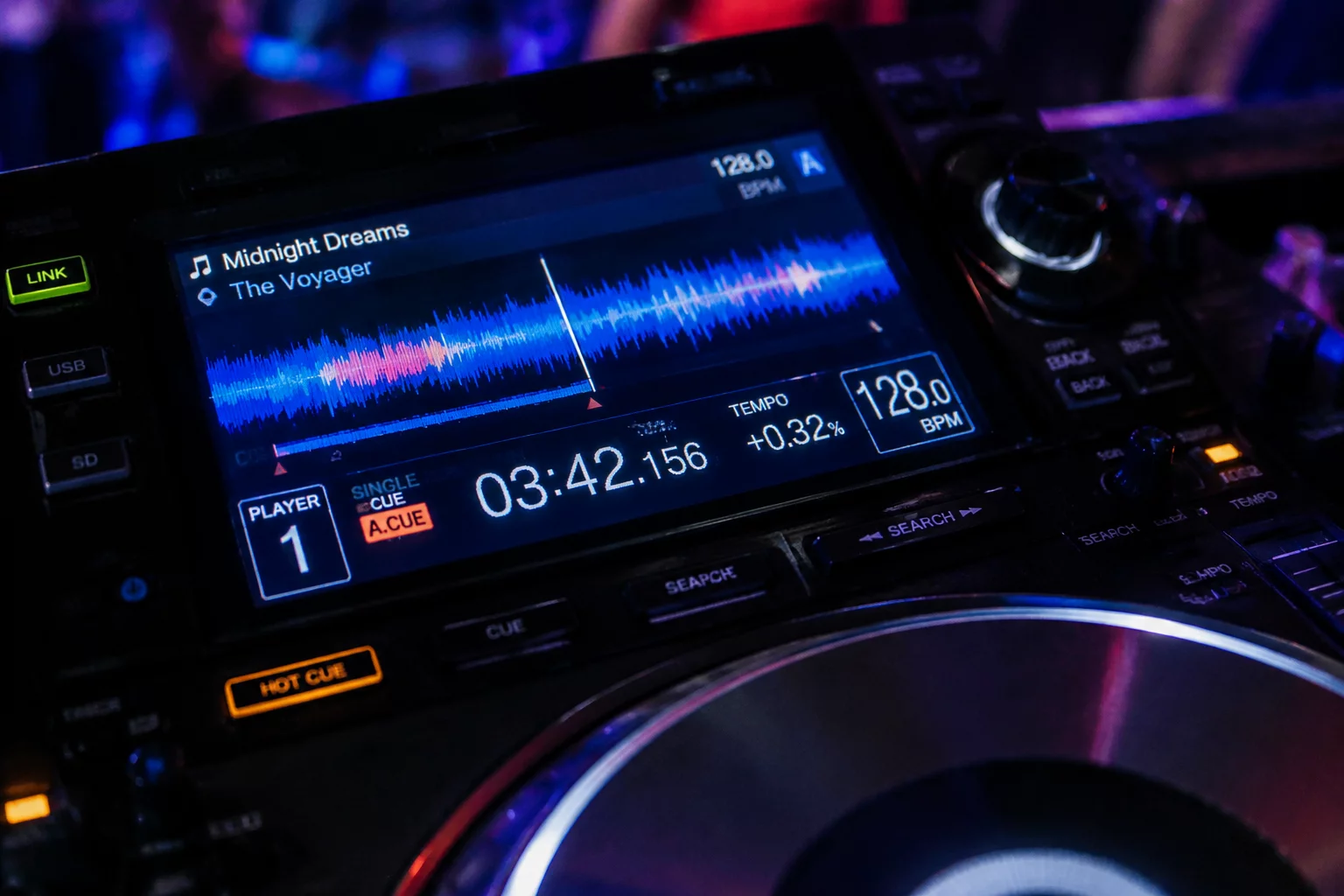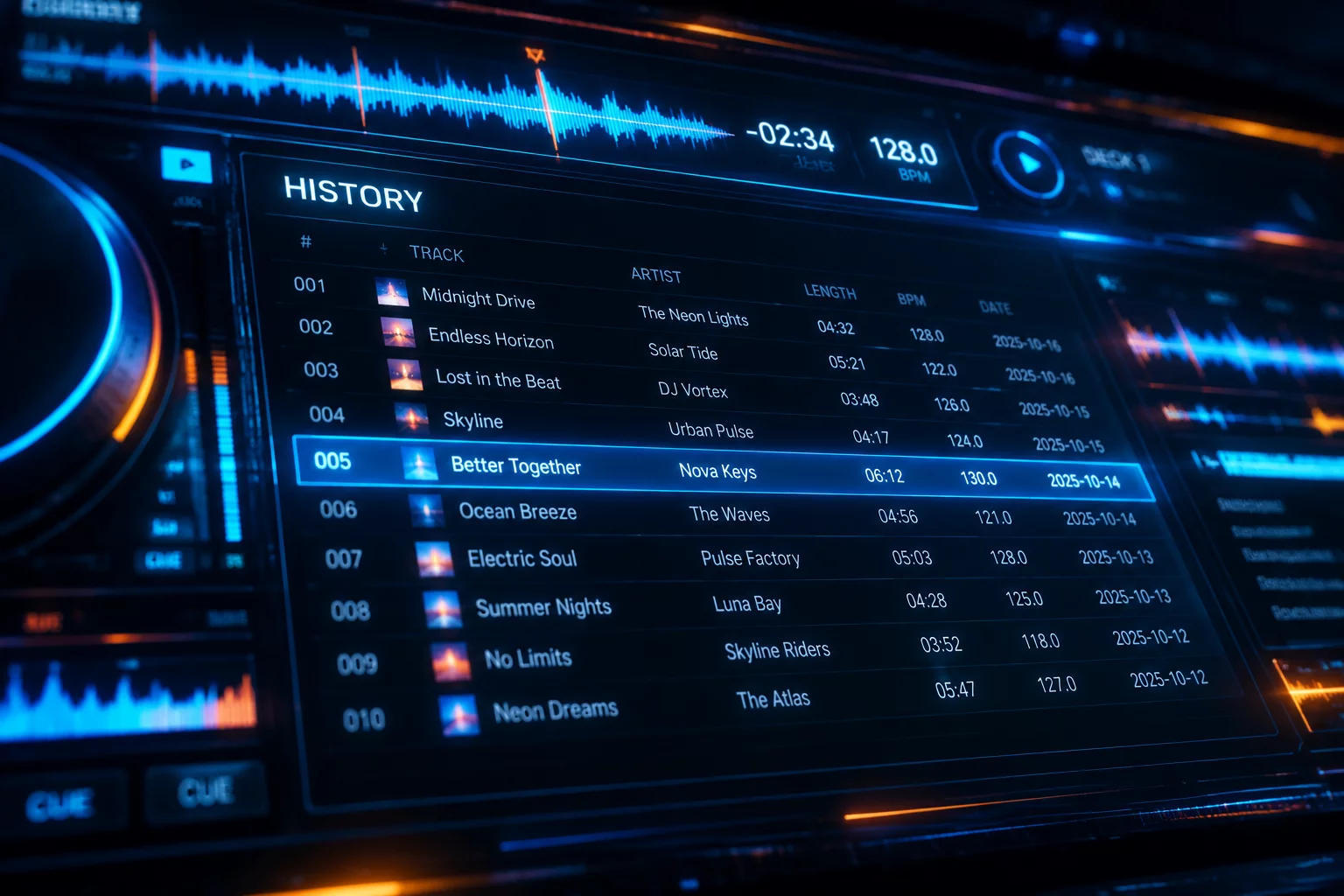
The software history panel remains the most objective document in modern club performance, cataloging every played audio file down to the exact second of fader movement. Yet selectors who inspect their exported logs following a grueling four-hour club shift inevitably encounter an interpretive boundary. The software registers technical transactions with absolute fidelity, but it holds zero record of the tension, room friction, or instinctive pivots that forced those choices into existence.
Concrete Facts Logged by Digital Playback Records
Every completed session generates an unvarnished audit trail within the performance library. When selectors open the history panel, the software displays the structural mechanics of how the performance unspooled across physical or virtual decks, providing verifiable benchmarks for post-set post-mortems.
- Exact deck assignments and duration thresholds confirming how many minutes an audio file actually held the main sound system.
- Chronological ordering of selections showing instantaneous skips versus sustained twenty-minute modular grooves.
- Historical tempo signatures and initial pitch alignments that illustrate progressive acceleration across the club hours.
The history panel is an honest receipt of what passed across the channel faders, but it stays completely silent about why you panicked at 02:15 AM.
The Critical Variables That Never Register in the Software
Looking purely at a tracklist export will tempt any selector into treating a set as a clinical math equation. Software logs cannot capture the bartender signaling that patrons are abandoning the back room, the malfunctioning left monitor wedge clipping during a transition, or the sudden surge of fifty dancers arriving through the front doors simultaneously. The log proves that you cut a deep hypnotic techno rhythm after just ninety seconds, but it cannot show that the floor was freezing in place under an unrelenting kick drum.
Deciphering Abrupt Structural Fractures
When reviewing archives months later, sudden tempo jumps or uncharacteristic genre departures often look like careless programming errors. In reality, these abrupt fractures were calculated emergency maneuvers executed in under ten seconds to prevent a total room collapse. History records the radical leap from 124 BPM to 132 BPM as raw figures, but fails to document the preceding three minutes of fading room energy that demanded a defibrillator track.
Frequently Asked Questions on History Analysis
Software platforms log playback based on specific playback duration and fader thresholds. Loading a track onto an active deck and running it past the pre-configured threshold marks it as played, regardless of whether the front-of-house volume fader was raised completely into the room.
Experienced selectors match digital text exports with immediate post-gig notes recorded within thirty minutes of stepping off the stage. Note crowd size, room temperature, sound system anomalies, and specific moments where planned crates had to be discarded entirely.