The Acoustic Contrast Between Decades
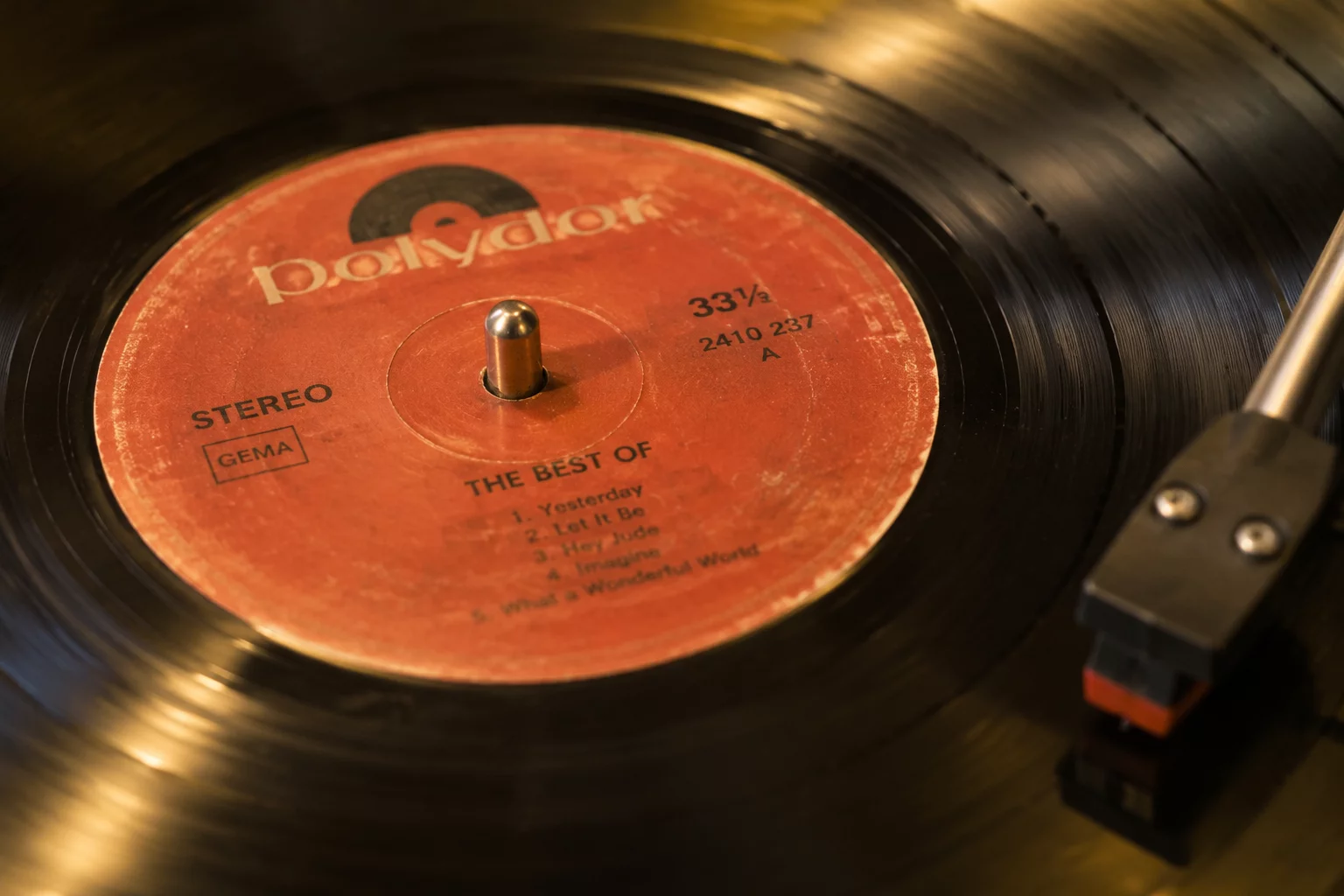
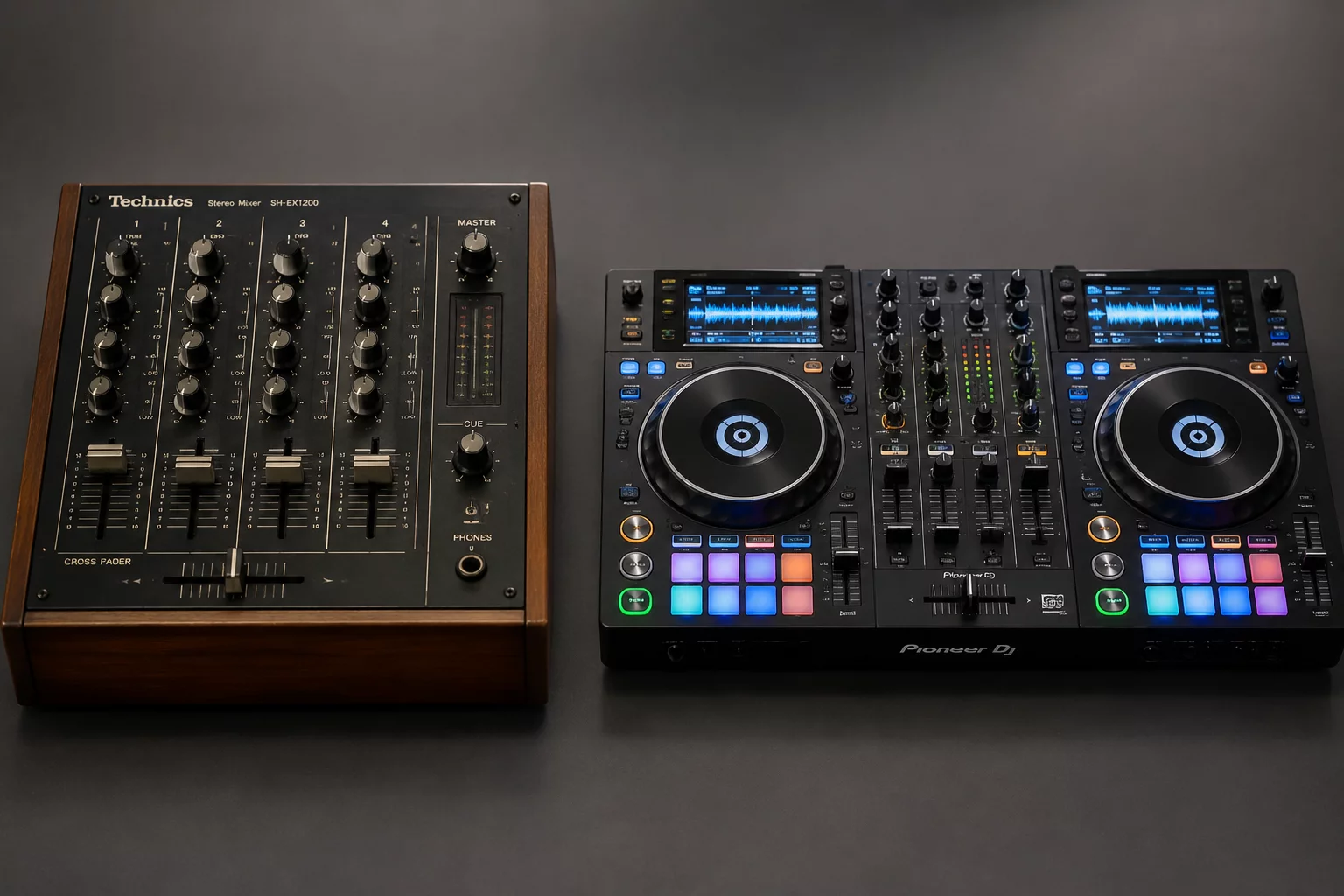
Navigating an abrupt multi-decade vault during peak performance hours presents severe sonic obstacles that regular genre changes never confront. When an uncompressed studio recording from 1978 directly collides with an aggressive 2024 club master, the sound system instantly exposes the discrepancy. The newer file typically operates at a dense -6 LUFS with heavy low-end compression, while the classic cut breathes openly with human micro-timing variations and modest dynamic limitation.
During the documented midnight set, dropping an untouched vintage soul-funk arrangement directly over modern sub-bass threatened to drain physical pressure from the room. The listener interprets sudden headroom restoration as an accidental power decrease rather than an artistic pivot, causing dancers to glance toward the booth in hesitation unless tactical intervention occurs.
Never introduce legacy pressings directly beneath a limiter-pinned track without dialing +4 to +6 dB of channel gain beforehand. The sub frequencies must be eased downward gradually over two bars before the transition rather than cut instantly at the crossfader.
Mastering Differences and Dynamic Staging
To execute this chronological bridge cleanly, the session logs reveal a deliberate four-track transitional decompression strategy. Rather than forcing a direct 50-year jump across one mix point, the selector introduced intermediate acoustic textures that normalized the listeners' auditory perception:
- The Digital Stripper Track: A sparse contemporary track with minimal sub-bass content was introduced first, removing dense synthesizers while retaining modern transient punch.
- The Re-drummed Intermediate: A contemporary house production featuring authentic organic percussion samples bridged the mechanical timing gap between rigid digital clocks and human drumming.
- The Raw Analog Heritage Cut: The legacy anthem was finally triggered with boosted mid-range gains and a slight high-shelf boost, matching the presence of the outgoing track effortlessly.
Harmonic Bridges and Frequency Cleansing
Human ears adapt rapidly to ambient loudness, yet they remain extraordinarily unforgiving toward clashing low-frequency profiles. In this recall, the selector systematically killed the sub-bass frequencies on the incoming analog record using an isolator equalizer, relying completely on its live bass guitar mid-tones for rhythm while the outgoing track sustained bottom-end fullness.
Once the vocal hooks synchronized, the modern kick drum was high-passed over an extended 32-bar phrase. By deliberately filtering the artificial sub-bass away before the final transition, the room re-calibrated its acoustic sensitivity, greeting the warm, uncompressed groove of the classic track with explosive enthusiasm instead of polite tolerance.
Rebuilding Collective Dancefloor Momentum
Completing an era shift requires immediate rhythmic validation to keep the crowd from scattering toward the bar. Following the legacy pivot, three complementary classics were locked into the sequence, proving that the move was intentional rather than a novelty disruption. By treating older records with modern gain discipline and harmonic isolation, vintage and contemporary cuts live in cohesive concert across the evening.