Identifying Signs of Floor Fatigue vs Lingering Momentum
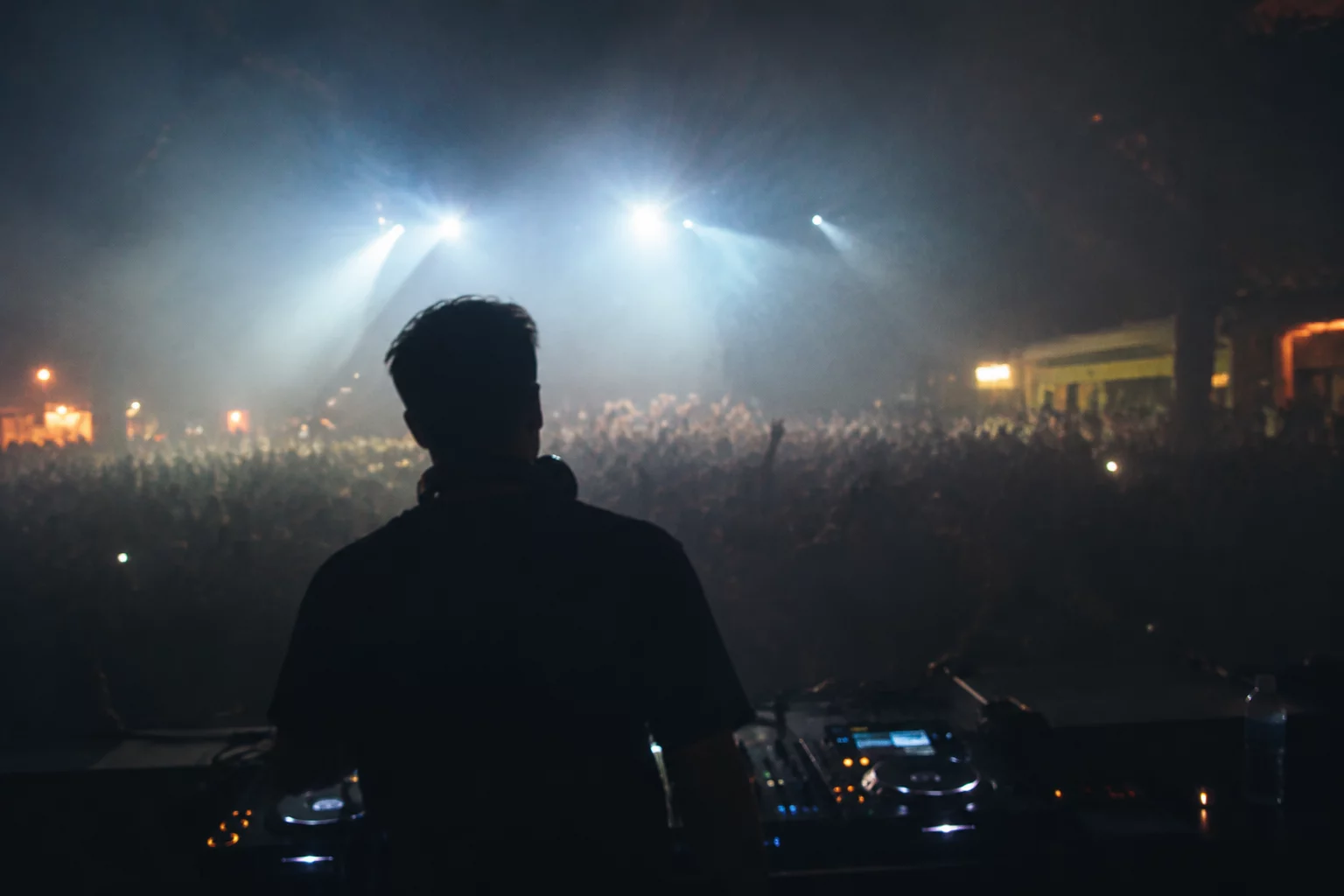
Physical stamina in a dimly lit venue follows recognizable cycles that differ substantially from early-evening warming phases. As the clock ticks past 03:30, dancers begin demonstrating localized fatigue: individuals sway instead of jumping, peripheral clusters drift toward the coat check or bar, and eye contact shifts upward toward the booth with an expectant curiosity. A common misstep among selectors is mistaking physical exhaustion for boredom and reacting with more abrasive drops, which usually empties the room prematurely.
Experienced selectors evaluate the center pocket of the dancefloor. When that core group maintains synchronized rhythmic swaying despite visibly lower leg movements, the room is asking for warmth and emotional resonance rather than raw decibels. Examining past Serato session logs reveals that sets concluding with higher perceived ratings frequently reduced percussive density while elevating melodic or vocal clarity during these exact moments.
The closing sequence defines what people remember on the sidewalk outside. You never play for an imaginary room; you play for the hundred people whose shoes are still moving.
Elena Rossi, Resident Selector
Structural Strategies for the Final Twenty Minutes
Transitioning into the endgame requires tactical restraint inside your playback crates. When twenty minutes remain on the clock, each track represents roughly twenty-five percent of the remaining narrative, giving individual selections disproportionate weight. Selecting records with prolonged outro stems and minimal percussive clutter allows you to sculpt a gentle descent without letting the room go cold.
- Lengthen transition windows over 64 to 128 beats to ease heart rates without losing dynamic tension.
- Substitute aggressive high-end transients with rich midrange pads and analog bass textures.
- Maintain two candidate tracks in the Prepare crate until exactly eight minutes before the house lights activate.
Serato History Cues and Managing Harmonic Dissolution
Exporting the final hour of a session into Serato History demonstrates how tempo curves and key relationships dictate the emotional impact of closing tracks. Abrupt key jumps in the closing fifteen minutes often create subconscious cognitive dissonance for tired dancers. Moving along compatible Camelot wheel steps or resolving from minor chords into open major thirds generates an unmistakable sensation of closure and relief.
Setting dedicated cue points on natural musical tails rather than strict four-bar grids lets you manage unexpected last-call calls from venue managers. When the house lights turn on unexpectedly, having a cue point ready on an ambient fade or an acoustic refrain gives the entire evening a composed, professional conclusion instead of a harsh fader drop.